
An Overview of Painting Techniques for Different Spaces
When it comes to painting, not all projects are created equal. Interior and exterior painting require different approaches due to the distinct environments they face. Understanding these differences can help you choose the right paint and techniques for your needs. Let’s explore what makes each type unique and how you can achieve the best results in your space.
Materials Used in Interior Painting
The materials used for interior painting focus on enhancing aesthetics while ensuring durability in controlled conditions. Commonly, water-based paints are preferred for interiors due to their low odor and quick drying time. The absence of harsh weather elements means less need for strong resistance features in these paints.
Durability Factors in Exterior Painting
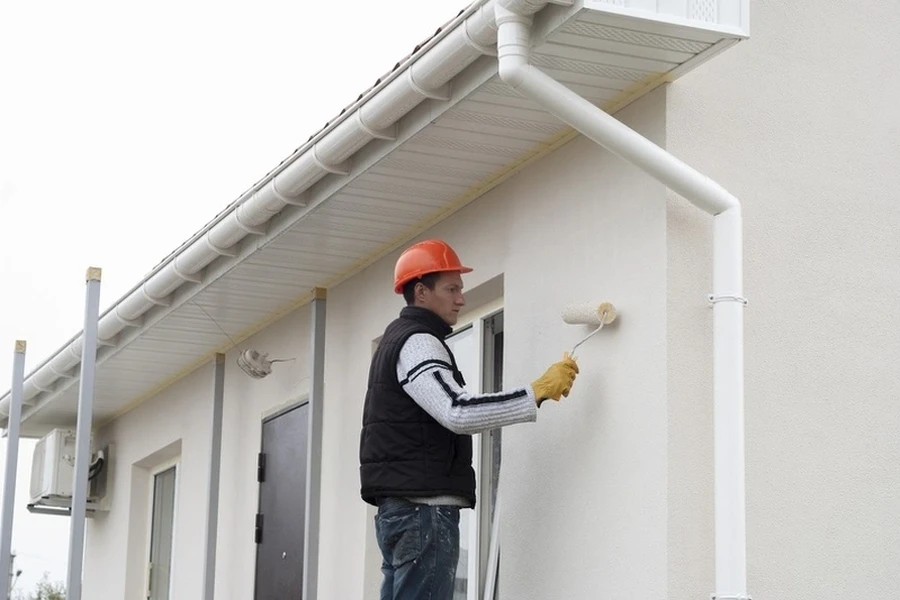
exterior painting demands more robust materials to withstand varying weather conditions. Paints for this purpose often contain additives that enhance UV resistance and waterproofing. Such features ensure the paint lasts longer despite exposure to sunlight, rain, or snow.
Preparation Techniques for Interiors
Preparing an interior surface involves cleaning walls, repairing any imperfections, and applying a suitable primer. These steps contribute to a smooth finish and long-lasting appearance. Proper preparation is key as it ensures better adhesion of the paint and enhances the overall look of the room.
Surface Prep Requirements for Exterior Painting
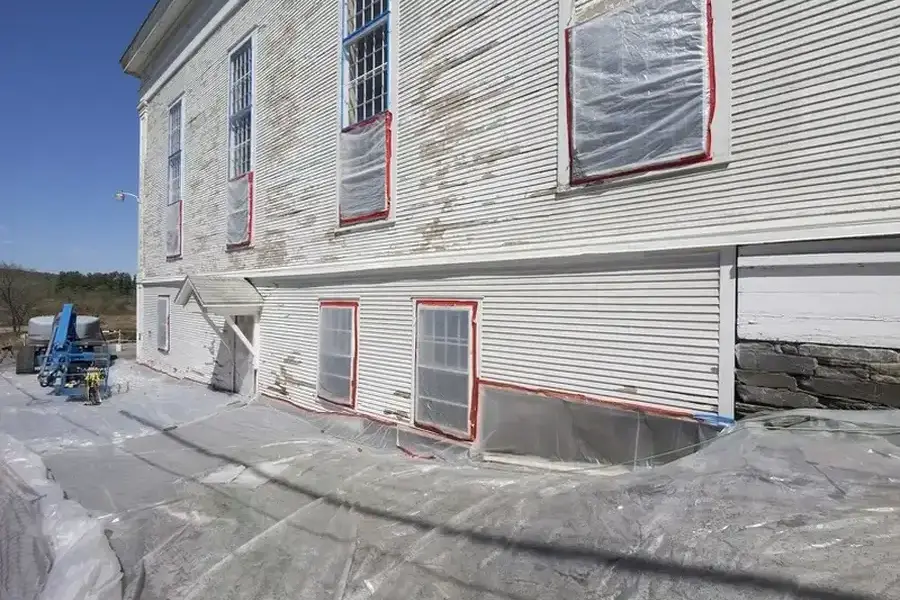
The surfaces outside a building need thorough preparation due to exposure to the elements. This often includes power washing, scraping off loose paint, and sealing cracks. These steps protect the underlying structure and provide a clean canvas for the new coat of paint.
Cost Considerations for Homeowners
Several factors influence the cost of painting projects, whether inside or outside. For interiors, costs relate mainly to the quality of paint and labor involved. In contrast, exterior projects might incur additional expenses due to extensive prep work and specialized paints needed to combat environmental exposure.
- Select high-quality paints for better coverage and durability
- Consider professional services to ensure skilled application
- Evaluate long-term savings against initial costs for outdoor protection
Choosing Colors for Indoors
Picking colors for an indoor setting allows for creativity and personal expression. Light colors can make small spaces feel larger, while bolder hues add personality to feature walls. The choice should reflect personal taste while considering how colors interact with natural light within the space.
Color Selection Impact on Building Exteriors
When selecting colors for exteriors, consider the architectural style and surrounding environment. Natural tones often blend well with landscaping, whereas brighter shades might highlight specific architectural features. Remember that exterior colors will be subject to fading over time due to sun exposure, so choosing fade-resistant options is advisable.
- Assess the color scheme of neighboring properties
- Test small paint samples before committing
- Coordinate trim color with main exterior hue
Final Thoughts on Painting Choices
Whether you’re tackling an indoor or outdoor project, understanding the key differences between interior and exterior painting helps guide your decisions. Investing in quality materials and proper preparation ensures longevity and satisfaction with the result. If you need expert advice or services, consider reaching out to Nucleus Contract Paint and Design. Located in Chicago, IL, I offer tailored solutions suited to your specific painting needs. Call me at (708) 290-6743 today for more information.